
 Cursos
 Cursos de Trading
 Conjuntas
 Cupones
 Cursos Gratis
**Categoría: Tecnología**
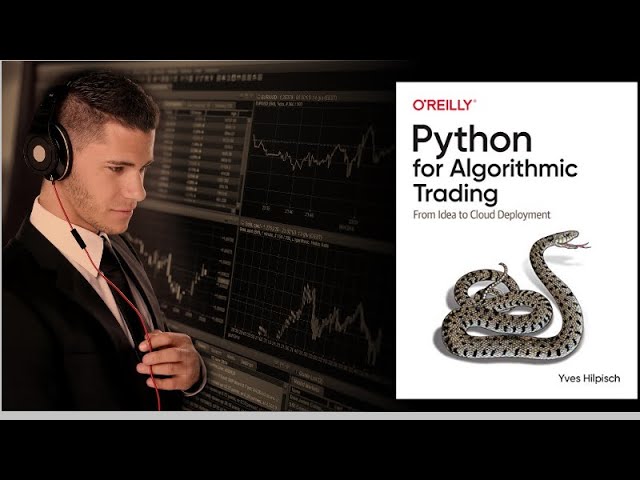
Python for Algorithmic Trading: From Idea to Cloud Deployment – A Comprehensive Guide
Dic
Python for Algorithmic Trading: An Overview
Python for Algorithmic Trading is a powerful tool used by traders to automate trading strategies and make faster, more efficient decisions in the financial markets. With its wide range of libraries and tools specifically designed for data analysis and quantitive trading, Python has become one of the most popular programming languages in the trading industry.
Through Python, traders can access and analyze vast amounts of data, create complex trading algorithms, and execute trades with lightning speed. Its simplicity and readability make it an ideal choice for both beginners and experienced traders looking to enhance their strategies.
By utilizing Python for Algorithmic Trading, traders can backtest their strategies, optimize performance, and ultimately increase the profitability of their trades. With its seamless integration with popular trading platforms and APIs, Python offers a versatile and efficient solution for traders looking to stay ahead in the dynamic world of algorithmic trading.
From Idea to Implementation: Python Strategies for Algorithmic Trading
Implementing algorithmic trading strategies using Python can be a game-changer for traders seeking efficiency and precision in the financial markets. Python’s versatility and powerful libraries make it an ideal choice for developing and implementing trading algorithms. From generating trading ideas to backtesting and executing trades, Python offers a seamless workflow for traders at every stage of the process.
One key advantage of using Python for algorithmic trading is the ease of developing, testing, and refining trading strategies. By leveraging Python’s extensive libraries such as NumPy, pandas, and Matplotlib, traders can easily analyze market data, create complex trading algorithms, and visualize trading performance. This streamlined process enables traders to quickly iterate on their strategies and adapt to changing market conditions effectively.
Moreover, Python’s robust ecosystem of third-party packages and tools provides traders with access to a wide range of resources for developing algorithmic trading strategies. Whether it’s machine learning algorithms for predictive modeling or advanced statistical tools for risk management, Python’s extensive library ecosystem ensures that traders have the necessary resources to implement sophisticated trading strategies efficiently.
In conclusion, Python offers a comprehensive and versatile framework for traders looking to implement algorithmic trading strategies effectively. From idea generation to execution, Python’s powerful capabilities empower traders to develop and deploy complex trading algorithms with ease.
Block "cursos-gratis" not found
Cloud Deployment of Algorithmic Trading Strategies with Python
When it comes to algorithmic trading strategies, deploying them in the cloud can offer significant benefits in terms of scalability, flexibility, and reliability. Python, as a versatile and powerful programming language, is often the tool of choice for developing these strategies due to its ease of use and extensive library support.
Deploying algorithmic trading strategies in the cloud with Python allows traders to access their strategies from anywhere, at any time, without being tied to a specific physical location. This remote accessibility enables faster decision-making and execution, which can be crucial in the fast-paced world of financial markets.
Furthermore, leveraging cloud resources for deploying trading algorithms with Python can result in cost savings, as cloud services typically offer pay-as-you-go pricing models and eliminate the need for maintaining expensive on-premises infrastructure. This scalability also allows traders to quickly adjust their computing resources based on market conditions and trading volume.
Maximizing Profit Potential: Python Algorithms for Algorithmic Trading
Algorithmic trading has revolutionized the way financial markets operate, allowing traders to implement intricate strategies with the help of computer algorithms. One tool that has gained popularity among algorithmic traders is Python, a powerful programming language that offers a wide array of libraries and tools for developing sophisticated algorithms.
By leveraging Python algorithms for algorithmic trading, traders can maximize their profit potential by executing trades at high speed and with precision. Python’s flexibility and ease of use make it ideal for implementing complex trading strategies, making it a popular choice among both novice and experienced traders.
Benefits of using Python algorithms for algorithmic trading:
- Speed: Python allows traders to execute trades quickly, taking advantage of market opportunities in real-time.
- Accuracy: Python algorithms can be coded to perform calculations with high precision, reducing the potential for errors in trading decisions.
- Scalability: Python’s scalability makes it easy to adapt trading algorithms to changing market conditions, ensuring optimal performance across diverse asset classes.
Overall, Python algorithms for algorithmic trading offer a powerful tool for traders looking to maximize their profit potential in today’s fast-paced financial markets. By harnessing the capabilities of Python, traders can stay ahead of the curve and make informed trading decisions that drive profitability.
Best Practices in Using Python for Algorithmic Trading in the Cloud
When it comes to algorithmic trading in the cloud, employing Python can be a game-changer for traders seeking efficiency and agility. By adhering to the best practices in Python programming, traders can optimize their strategies and maximize their returns.
[aib_post_related url=’/maquinas-para-minar-criptomonedas/’ title=’Las mejores máquinas para minar criptomonedas en el 2021: guía completa’ relatedtext=’Quizás también te interese:’]1. Utilize Python Libraries: Take advantage of popular libraries such as Pandas, NumPy, and Scikit-learn to streamline data analysis, modeling, and implementation of trading algorithms. These libraries offer powerful tools that can expedite the development process.
2. Implement Cloud Solutions: Leverage cloud computing services like Amazon Web Services (AWS) or Google Cloud for enhanced scalability and flexibility. By migrating your algorithmic trading infrastructure to the cloud, you can access resources on-demand and reduce operational costs.
3. Prioritize Data Security: Ensure the protection of sensitive trading data by implementing robust security measures, such as data encryption and access controls. Trustworthy cloud providers offer compliance certifications and encryption options to safeguard your trading strategies.
